Natural dyes variability informing evolutive textiles design (VLAN) (2023 - 2028)
This interdisciplinary project represents the textile axis of the Priority Research Programs and Equipment (PEPR) dedicated to the recyclability, recycling and reincorporation of recycled materials. It gathers 4 main French partners: ENSAIT, INSA Lyon, Université de Lille and Ecole des Arts Déco – PSL.
Textile materials have two essential characteristics: one is technical, resulting from the choice of fibers and their assembly into fabrics; the second is aesthetic, linked to the material and its finish. The value of a textile object is associated with both technique and aesthetics, and is linked to actual wear and tear, complemented by consumer attachment. The end-of-life of these textiles may occur because they are worn and damaged, or because they are no longer appreciated or considered obsolete. So they can have several lives, being reused, repaired, transformed (upcycled) before being shredded for recycling.
This 5-year research project gathers numerous researchers from ENSAIT, INSA Lyon, Université de Lille and Ecole des Arts Déco – PSL that focus on those various loops of possible ends of life, on the ecoconception of textiles, and the study of consumers choices in keeping or discarding clothes. The textile object is studied on 3 scales: the molecular scale of polymers making up the fibers, the scale of textile fabrics, and the scale of textile objects, in particular garments. Ecole des Arts Déco – PSL is in charge of a dedicated work package entitled: At textile Object Scale, Safe & Sustainable design-led textile upcycling.
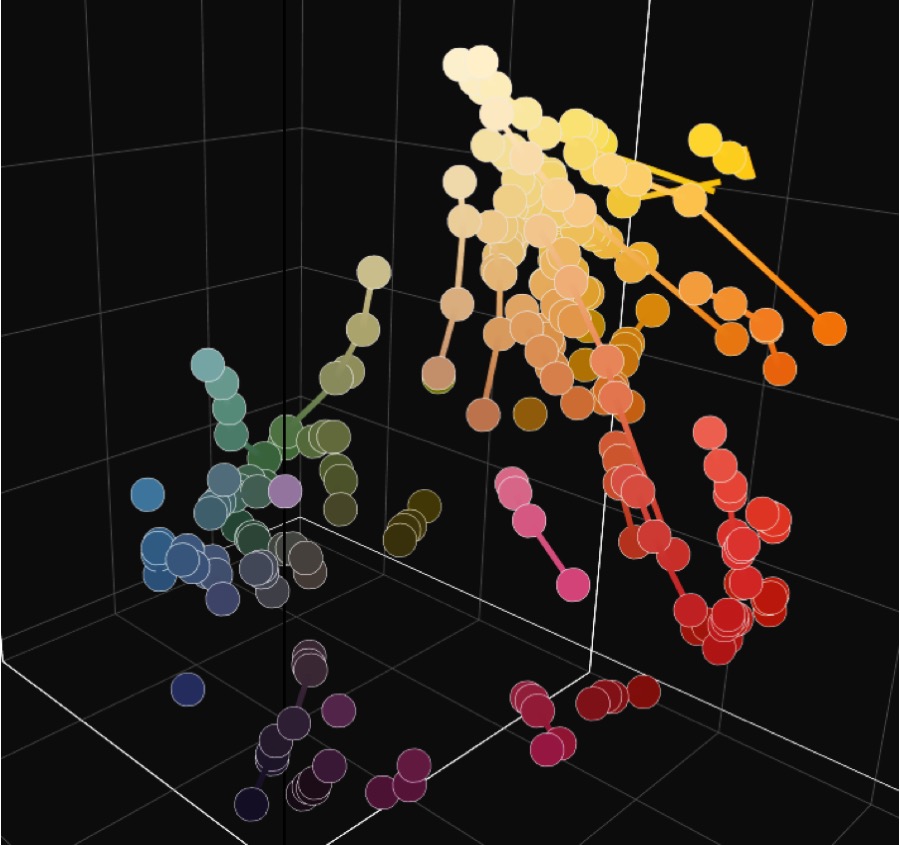
One of the main axes at Ensadlab focuses on the integration in textile design of the temporal and experimental variabilities of natural dyes. This part articulates with Dr Lou Ramage’s PhD project Couleur Latente, interrogating how to take into account color changes in textiles when exposed to light, from the conception stage ; this requires reconsideration of the fine line between wear and patina, and to question and adapt industrial methods and paradigm. In VLAN, the focus is on the development of colorimetric characterization and visualisation methods adapted to changing colors, and the prediction of color changes kinetics depending on different kinds of exposition.
Project coordination: Sébastien Livi (IMP – INSA – Université de Lyon) ; Ludovic Koehl (Gemtex -ENSAIT).
ENSAD coordinator: Jean-François Bassereau
ENSAD main researchers: Camille Fuzier
Partners: ENSAIT, INSA Lyon, Université de Lille et EnsadLab – Ecole des Arts Décoratifs – PSL
Dedicated webpage: https://www.pepr-recyclage.fr/projet/textiles
Funding PEPR – Agence Nationale pour la Recherche (1085 k€) referenced as « ANR-22-PERE-0006 ».